Hidden Paradise Escape
Quick Info
Duration
7 Days 6 Nights
Difficulty
Moderate
Alleviation
2,000 – 3,190 m
Tour Type
Cultural
Overview
Discover the cultural heart of Bhutan on this 6-nights, 7-day journey through the country’s most picturesque western valleys. Explore Paro, home to Bhutan’s only international airport, Thimphu, the peaceful capital city, and Punakha, the ancient capital renowned for its stunning fortress and rich history.
Experience Bhutan’s unique blend of spirituality, culture, and natural beauty as you visit iconic landmarks, including the historic Tachog Lhakhang and its famous Iron Chain Bridge, Kuensel Phodrang (Buddha Dordenma), the Royal Takin Preserve, the National Memorial Chorten, the National Institute for Zorig Chusum (Arts and Crafts School), the National Post Office, the Traditional Handmade Paper Factory, wangdue, the scenic Dochula Pass, Chimi Lhakhang (Temple of Fertility), the magnificent Punakha Dzong, Bhutan’s longest suspension bridge, the National Museum of Bhutan, and the ancient Kyichu Lhakhang, one of the kingdom’s oldest and most sacred temples.
The highlight of this trip is the visit and overnight stay at Gangtey valley which is also called as Hidden Paradise.
Itinerary
Day 01: Arrival at Paro International Airport – Drive to Thimphu
Distance: 54 km | Driving Time: Approximately 1 hour with 2300Masl.
Enjoy breathtaking views of the eastern Himalayas as your flight descends into the beautiful Paro Valley (2,250 m), where snow-capped peaks provide a spectacular welcome to the Kingdom of Bhutan. Upon arrival at Paro International Airport, complete the immigration and visa formalities before being warmly welcomed by your private guide, who will present you with a traditional white scarf (khadar) as a symbol of good wishes and Bhutanese hospitality.
Begin your scenic drive to Thimphu, Bhutan’s charming capital, following the Paro and Wang Chhu rivers through picturesque valleys and peaceful countryside.
En Route Visit.
Tachog Lhakhang (Tachog Temple) – Visit this historic temple built by the great Tibetan master Thangtong Gyalpo and admire the famous Iron Chain Bridge, a remarkable example of traditional Bhutanese engineering and spiritual heritage.
Overnight hotel in Thimphu.
Day 02: Sightseeing in Thimphu.
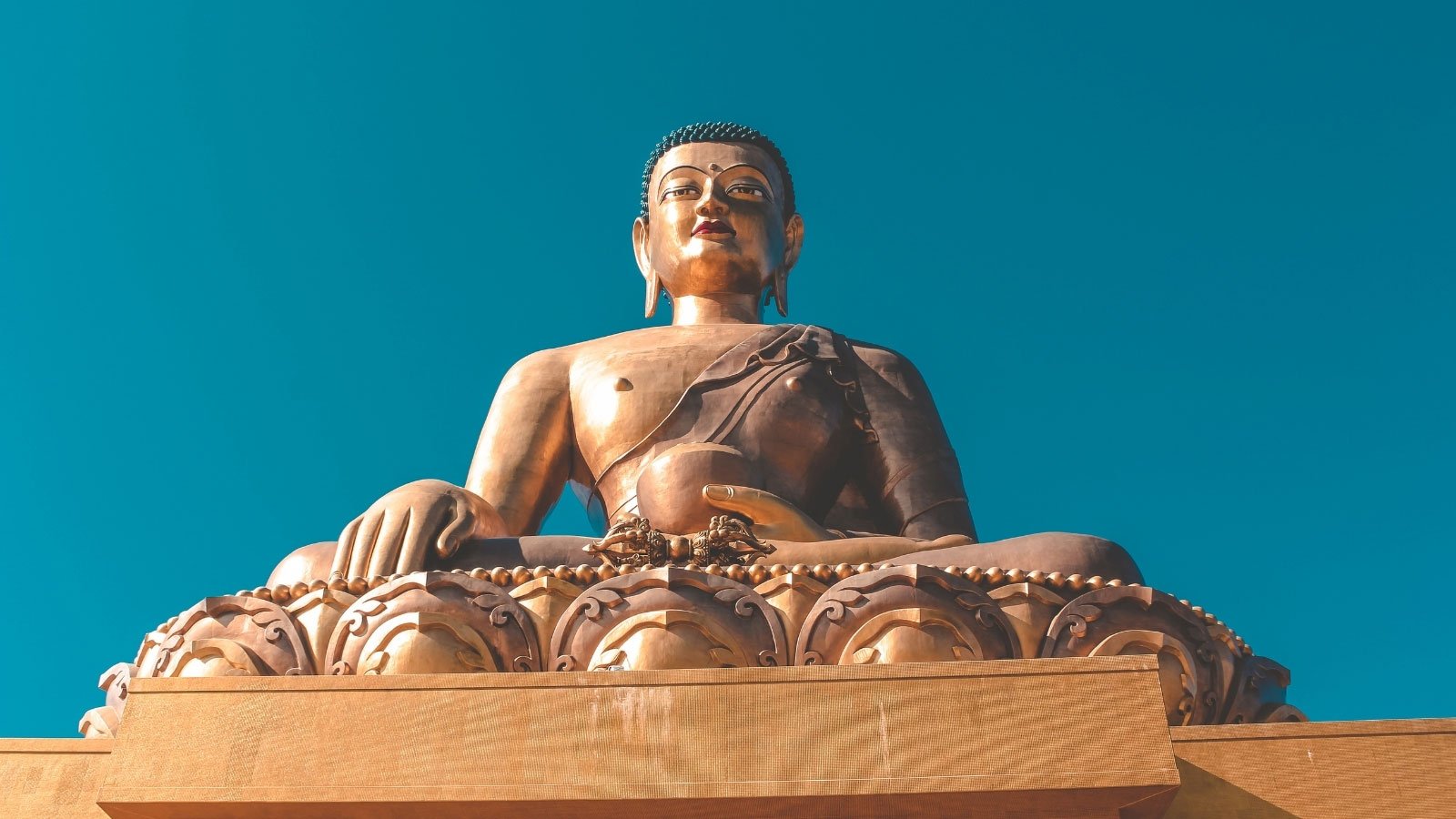
Visit Buddha Dordenma (Buddha Point / Kuensel Phodrang): Begin the day with a visit to the magnificent Buddha Dordenma, a 51.5-metre-tall seated Buddha statue overlooking the Thimphu Valley. This iconic landmark offers breathtaking panoramic views of the valley and surrounding mountains.
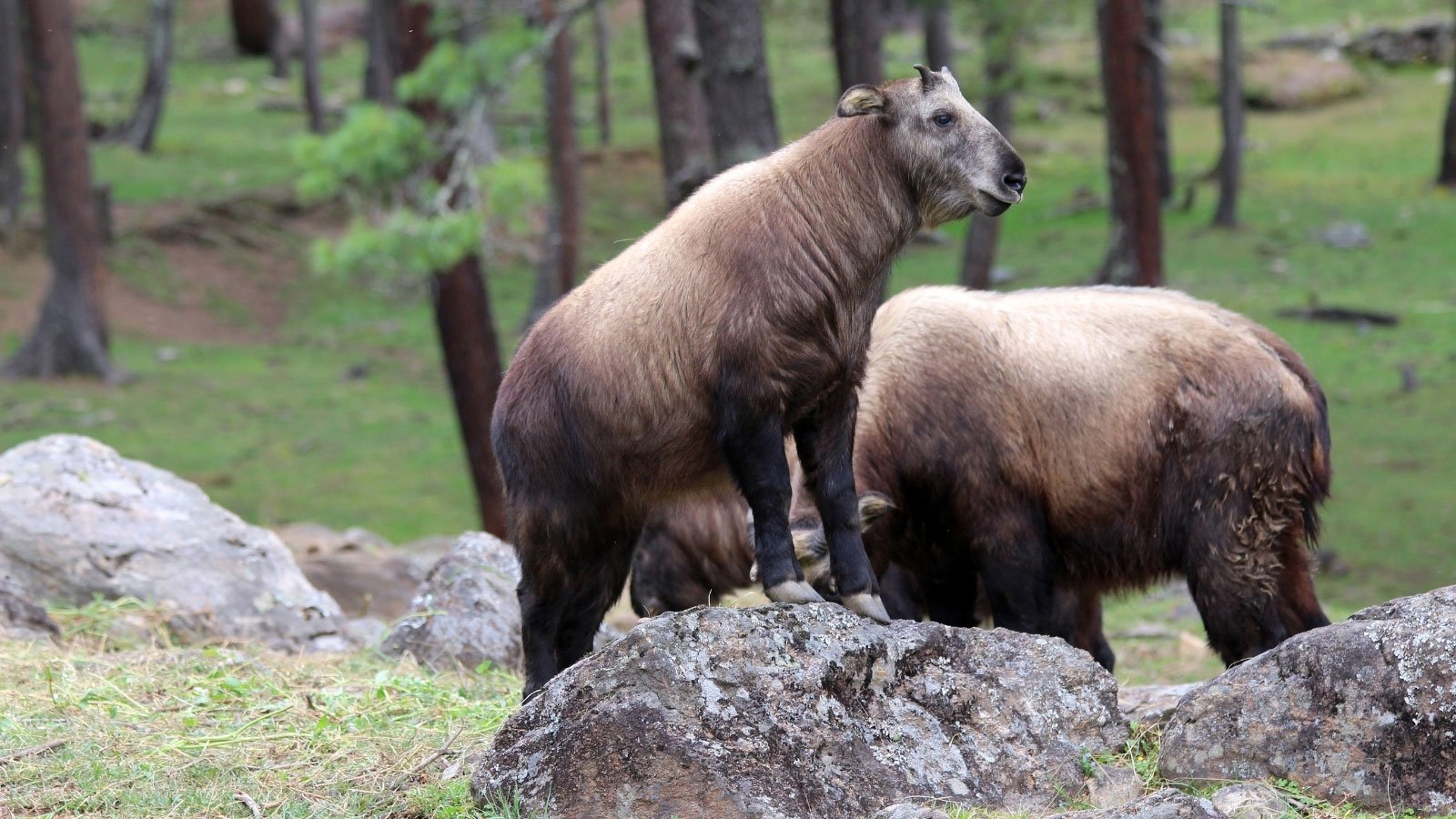
Royal Takin Preserve – Visit the sanctuary dedicated to Bhutan’s national animal, the unique and fascinating takin.
National Memorial Chorten – Built in 1974 in memory of His Majesty the Third Druk Gyalpo, this revered monument is one of Bhutan’s most important religious sites, where locals gather daily to offer prayers and circumambulate the chorten.
National Post Office – Create your own personalized Bhutanese postage stamps featuring your photograph and use them to send postcards or letters anywhere in the world.
Traditional Handmade Paper Factory – Observe the traditional process of making handmade paper from the bark of the daphne plant using centuries-old Bhutanese techniques.
Discover the heart of Bhutanese heritage at Choki Traditional Art School: located only 10KM north of Thimphu city, where tradition meets purpose. Guided by a mission to preserve Bhutan’s rich artistic legacy, the school offers free education to passionate youths who come from socially and economically disadvantaged family, empowering them through mastery of the traditional thirteen Arts & Crafts (Zorig Chusum).
Wangduetse or Cheri hike (Optional)
Beautiful Wangduetse hike begins from BBS (Bhutan broadcasting service) tower, the only national channel of Bhutan and ends with beautiful wangduetse temple built in 1567 as a monastery- fortress, originally the structure was five stored tall & now renovated one established by master Dilgo Khentse Rinpoche as monastic body which was later shifted to Semtokha Dzong. Constant & moderate hike through alpine oak, pine trees & different species of rhododendron forest makes you feel refresh & beautiful view of Thimphu valley.
Total distance of hike to & from 5km approximately/ 2hrs with elevation of 2500masl.
Cheri hike- take a drive about 30mins from Thimphu town towards north. You will see beautiful Cheri monastery to left top of the hills which was constructed by Zhabdrung Ngawang Namgyel (unifier of Bhutan) on the prophecy of Guru-Padmasambhava. It was built around the spot where Phajo Drugom Zhipo meditated three canturies earlier & also it’s one of earliest kind of structure where Bhutan’s monk body started around 1620. You will enjoy gradual uphill hike into pristine nature.
Total distance of hike to & from 4.5km approximately/ 2hrs with elevation of 2700masl.
In the evening, enjoy a leisurely stroll through the streets of Thimphu, one of the world’s few capital cities without traffic lights. Admire its traditional Bhutanese architecture, vibrant local markets, and relaxed atmosphere that perfectly reflects the country’s unique way of life.
Overnight stay at Thimphu.
Day 03: Thimphu to Gangtey valley (Hidden Paradise) 130km/4.5hrs with 2900Masl.
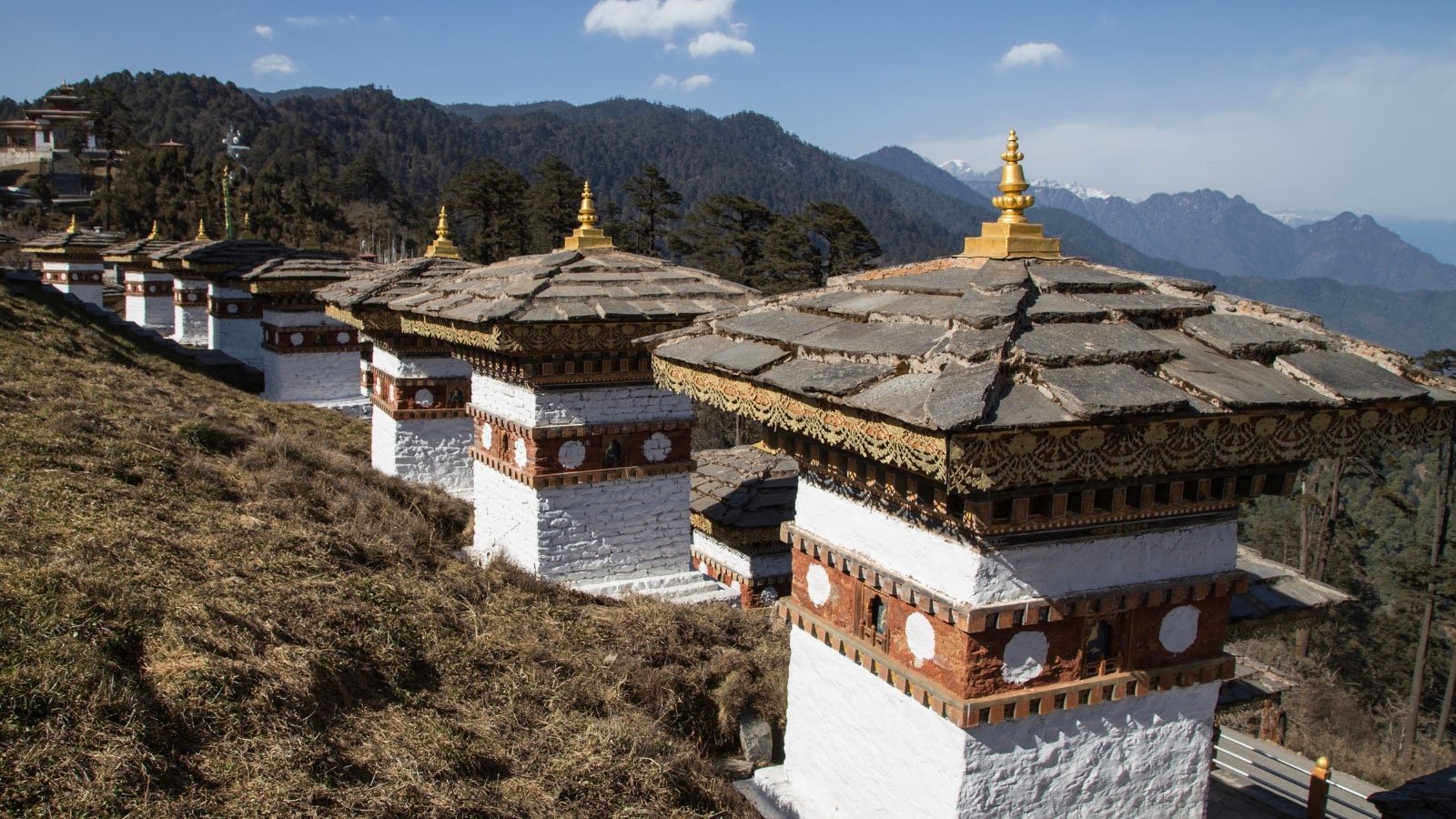
En route, take a moment to pause at the Dochula Pass 3,100 meters above sea level to admire the Mountain pass marked 108 Chortens (Buddhist Shrines). Enjoy the mesmerizing panoramic view of the Himalayan peaks over a cup of hot coffee or tea at the cafeteria.
If skies are clear, the high Himalayan peaks towards the north east will be revealed in all their glory. On a clear day, the following peaks can be seen from this pass (left to right): Masagang (7,158m), Tsendegang (6,960m), Terigang (7,060m), Jejegangphugang (7,158m), Kangphugang (7,170m), Zongaphugang (7,060m) a Table Mountain that dominates the isolated region of Lunana, and finally, Gangkar Puensum, the highest peak in Bhutan at 7,570m.
Gangtey nature trail with beautiful valley and enjoy walk with most beautiful and shortest of the existing nature trails in Bhutan. The trail hike starts from the Mani (like Chhorten) stone wall to the north of the Gangtey Gonpa and ends in Khewa Lhakhang. The hike takes about 1hr 30minutes through the pine forest and small bamboo plants. You can see the Phobjikha valley so beautifully from this hike. It is one of the best hiking places for the Nature lovers. During the winter months, we can see the different species of birds including Black Neck Cranes.
Day 04: Gangtey to Punakha valley. 75km/2.5hrs with 1200Masl.
Before departing to Punakha visit beautiful Gangtey monastery at hill top which was constructed around early 17th century as a sit for body re-incarnation of treasure revealer called Gangtey trulku, monastery serve as monastic education for young monks.
Upon reaching Punakha:
Visit Chimi Lhakhang: Continue to the famous Chimi Lhakhang, also known as the Temple of Fertility. Built in the late 15th century, the temple is associated with the revered Divine Madman, Lama Drukpa Kunley, and is visited by couples seeking blessings for fertility and family well-being.
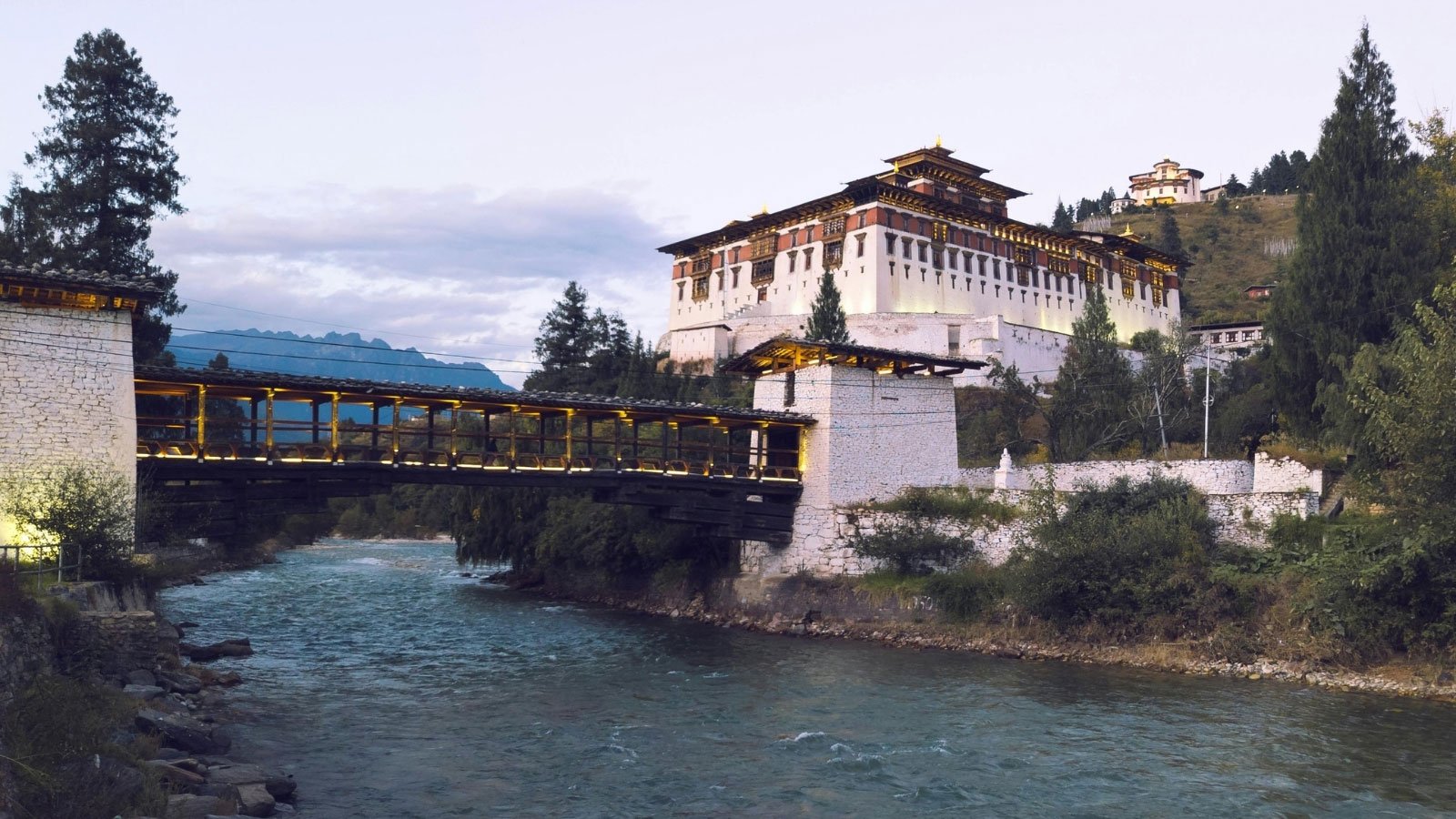
Visit Punakha Dzong: Explore the magnificent Punakha Dzong, one of Bhutan’s most beautiful and historically significant fortresses. Built in 1637 by Zhabdrung Ngawang Namgyal, the unifier of Bhutan, the dzong served as the country’s capital until 1955. Located at the confluence of the Pho Chhu (Male River) and Mo Chhu (Female River), it is considered a masterpiece of Bhutanese architecture.
Punakha Suspension Bridge: Enjoy a leisurely walk across one of Bhutan’s longest suspension bridges spanning the Pho Chhu River. The bridge offers spectacular views of the river, surrounding valleys, and traditional houses.
Overnight stay at Punakha.
Day 05: Punakha to Paro vallry, 125km/3.5hrs with 2250masl approx.
Before departure to Paro, I would recommend to visit Khamsum Yulley Namgyel chhorten (stupa like temple) in early hours. Hike to Pogoda-style stupa which is constructed around 2004 by queen mother of Bhutan in order to bring peace and harmony to Bhutan as well as to whole world which contains with three different levels of tutelary ditties of Mahayana practices. Monument was located on a pine ridge overlooking female river. Distance 5km approx or 2hrs both ways.
Upon arrival in Paro:
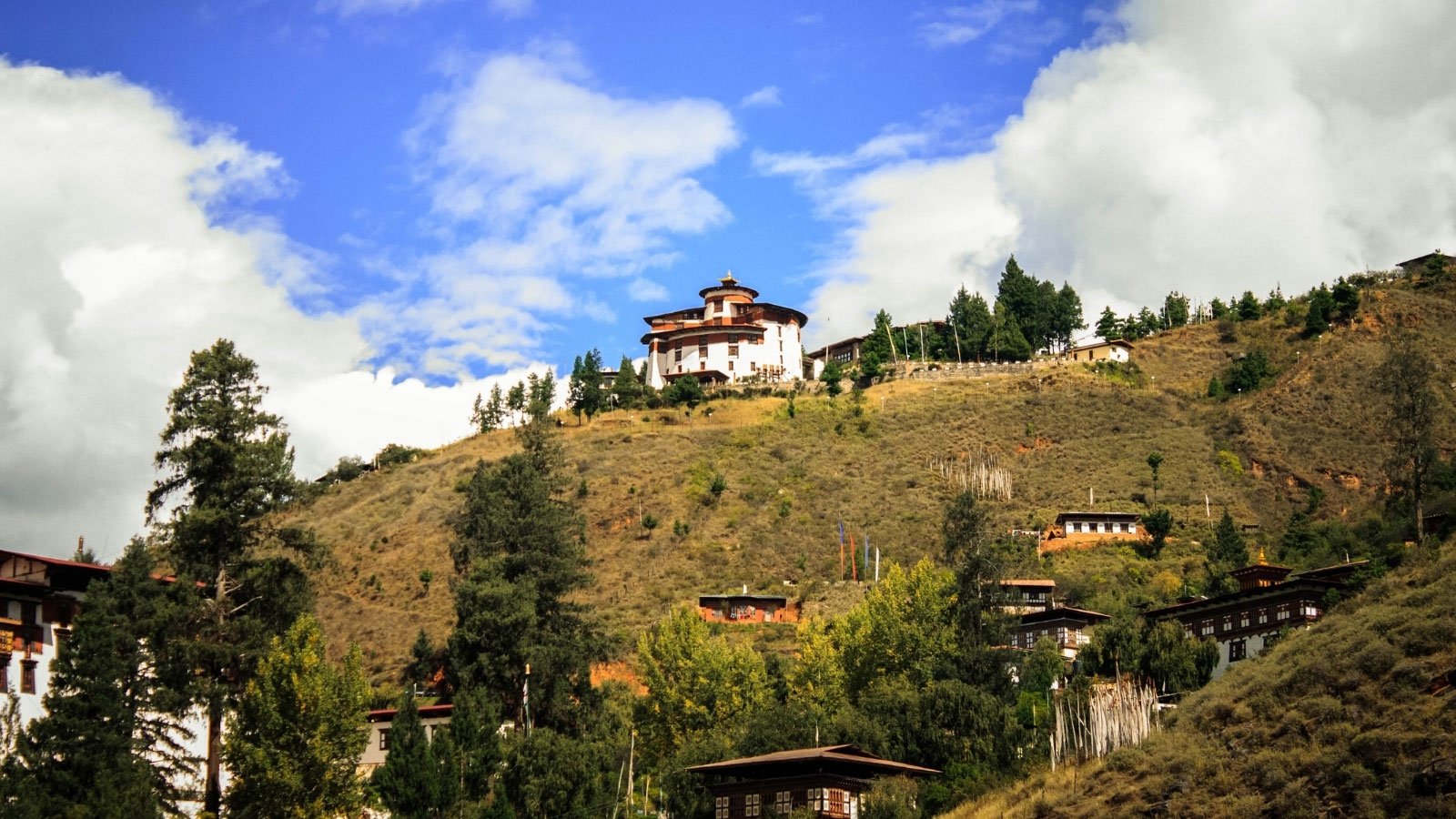
National Museum of Bhutan (Ta Dzong): Visit the National Museum of Bhutan, housed in the historic Ta Dzong, a unique circular fortress originally built as a watchtower. The museum showcases an impressive collection of Bhutanese art, traditional textiles, ancient weapons, religious relics, manuscripts, and historical artefacts, providing fascinating insights into Bhutan’s rich cultural heritage.
Kyichu Lhakhang: Continue to Kyichu Lhakhang, one of Bhutan’s oldest and most sacred temples. Believed to have been built in the 7th century by King Songtsen Gampo, the 33rd King of the Yarlung Dynasty and founder of the Tibetan Empire, it is one of the legendary 108 temples constructed across the Himalayas. According to Buddhist tradition, these temples were built to subdue a giant demoness whose body lay across the region, thereby enabling the spread of Buddhism throughout Tibet and the Himalayan kingdoms.
Today, Kyichu Lhakhang remains one of Bhutan’s most revered pilgrimage sites, offering visitors a serene atmosphere steeped in history, spirituality, and timeless cultural heritage.
Overnight stay at Paro.
Day 06: Tiger's Nest Hike & Traditional Hot Stone Bath.
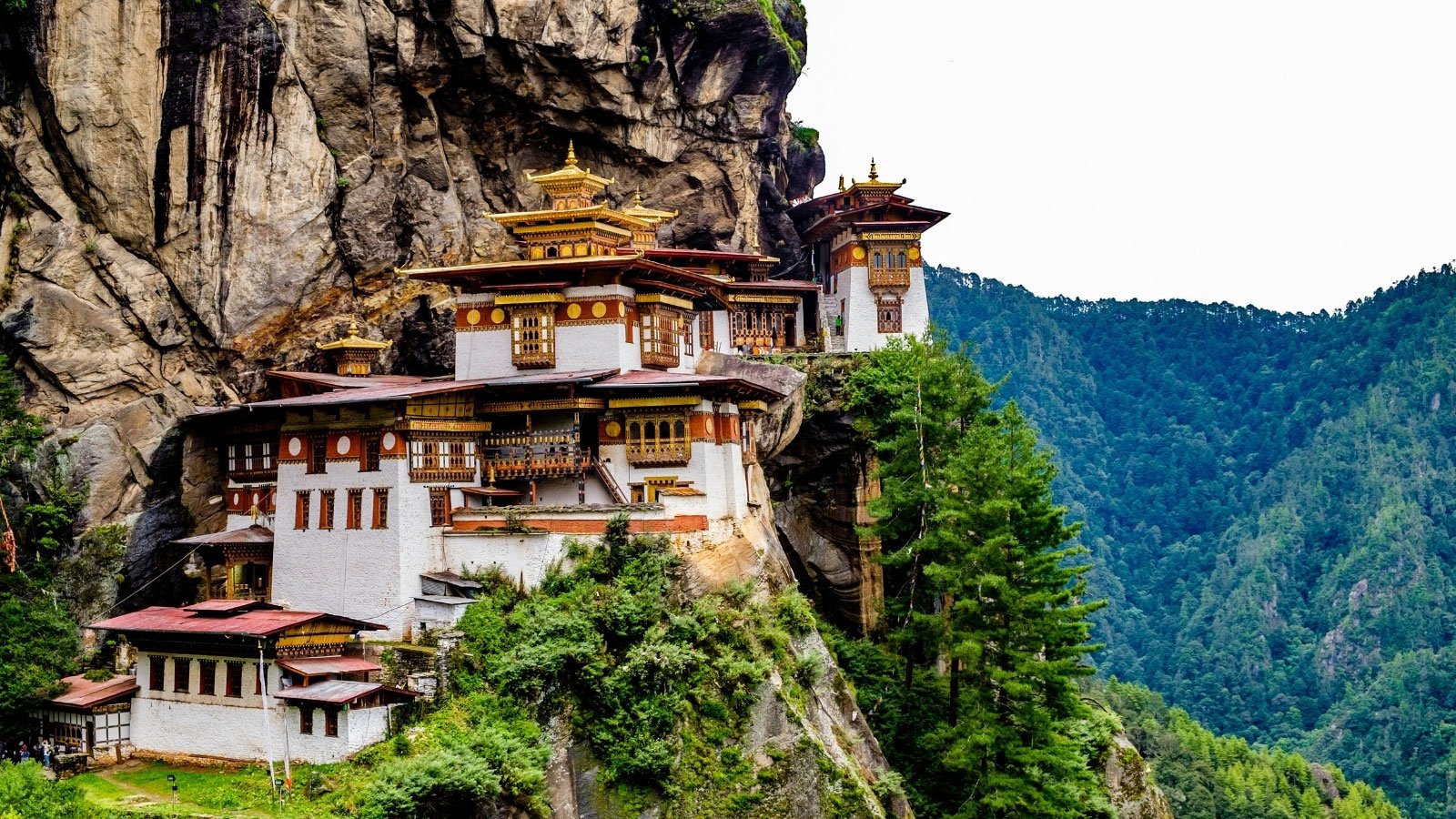
Today marks the highlight of your Bhutan journey with a memorable hike to the iconic Tiger’s Nest Monastery (Paro Taktsang), Bhutan’s most sacred and celebrated pilgrimage site. Dramatically perched on a sheer cliff 900 metres above the Paro Valley, this breathtaking monastery is one of the country’s most revered spiritual landmarks.
Tiger’s Nest is closely associated with the 8th-century Buddhist master Guru Padmasambhava (Guru Rinpoche). According to legend, he flew to this sacred site on the back of a tigress, manifesting in his wrathful form, Dorji Drolo, to subdue negative forces and establish Buddhism in Bhutan. The monastery complex comprises several beautifully adorned temples and shrines, each dedicated to different manifestations and enlightened activities of Guru Rinpoche, offering both spiritual significance and spectacular views.
After completing the hike, unwind with a traditional Bhutanese hot stone bath, a centuries-old form of hydrotherapy unique to Bhutan. River stones are heated over a fire and immersed in a wooden tub filled with fresh mountain water and medicinal herbs. The soothing warmth helps relax tired muscles, improves circulation, and provides the perfect way to rejuvenate after your rewarding trek.
Day 07: Departure
We will collect you from your hotel and transfer you to Paro Airport for your flight.
Transport: Private transfer
Meals included: Breakfast
Includes
- 3-star hotel accommodation
- All meals (B/L/D)
- Private transportation throughout
- Licensed English-speaking guide
- Experienced driver
- Bhutan visa included
- Government fees, taxes & SDF
- All entrance fees & permits
- Complimentary bottled water
- International airfare to/from Bhutan
- Personal expenses
- Beverages
- Travel insurance
- Tips & gratuities